What types of eye exams do you offer?
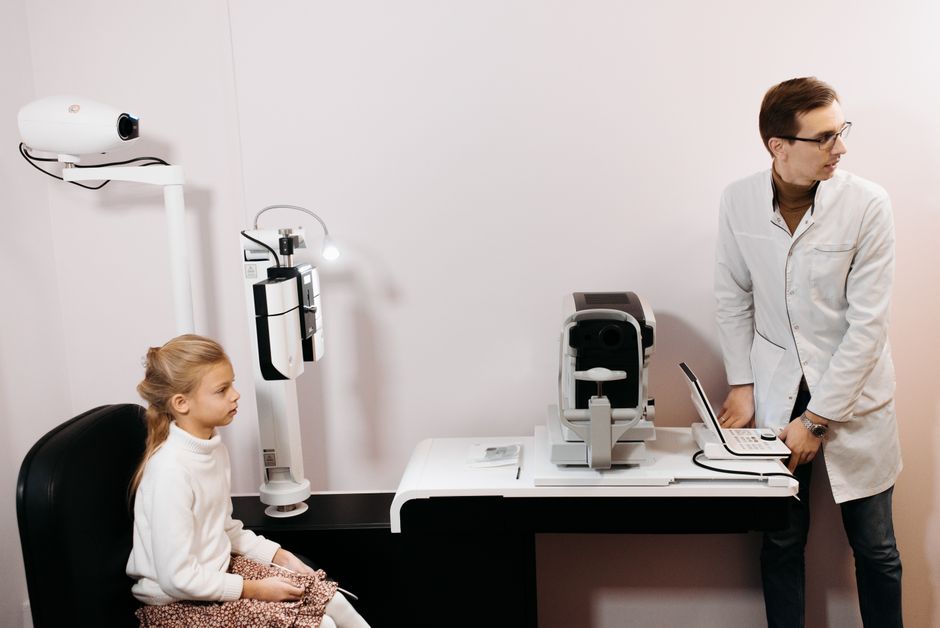
We offer comprehensive eye exams for adults and children, which include vision testing, eye health evaluation, and screening for conditions such as glaucoma, cataracts, and macular degeneration. Exams are tailored to your age, lifestyle, and medical history, with extra attention for those at risk of visual conditions. Advanced imaging is available as needed.
Who may benefit from Ortho-K lenses?
Ortho-K lenses are suitable for both children and adults, but are particularly recommended for young patients experiencing progressive myopia. Candidates for Ortho-K include those who prefer a non-surgical approach to vision correction, athletes, or anyone seeking freedom from daytime glasses or contacts. We provide individual consultation to assess your suitability.
Do you provide sports eyewear and specialty lenses?
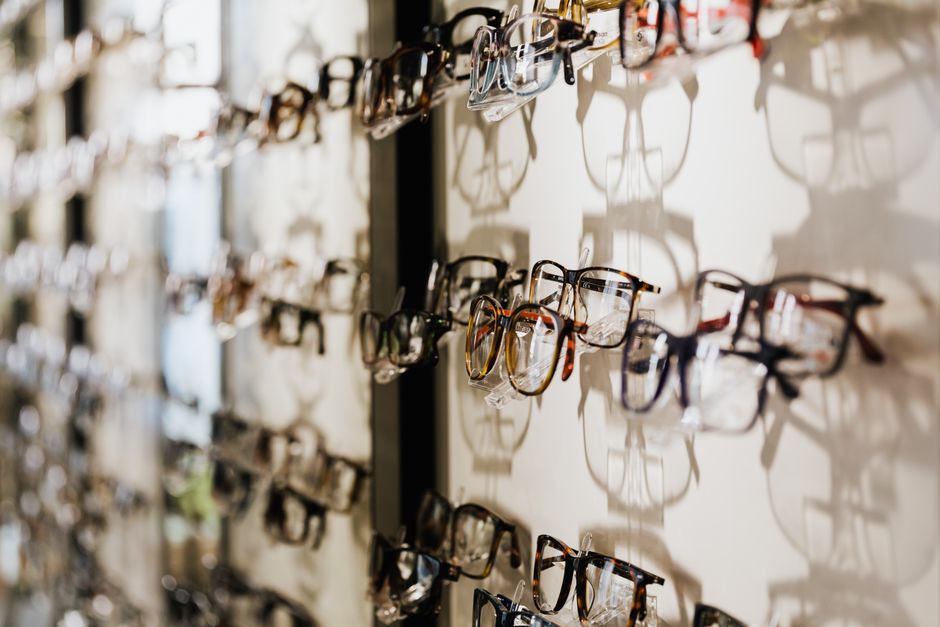
Yes. We provide a curated selection of sports-specific eyewear and specialty prescription lenses to support visual comfort and performance in athletics or demanding environments. Our optician will help you find frames and lens designs that enhance both safety and vision for your activities.
Which insurance plans are accepted?
We currently accept VSP, Tricare, and Medicare PPO plans. Bring your insurance details with you, and our staff will clarify coverage, help maximize your benefits, and answer any questions regarding claims or eligibility. If you’re unsure, contact us in advance for assistance.
What should I bring to my first visit?
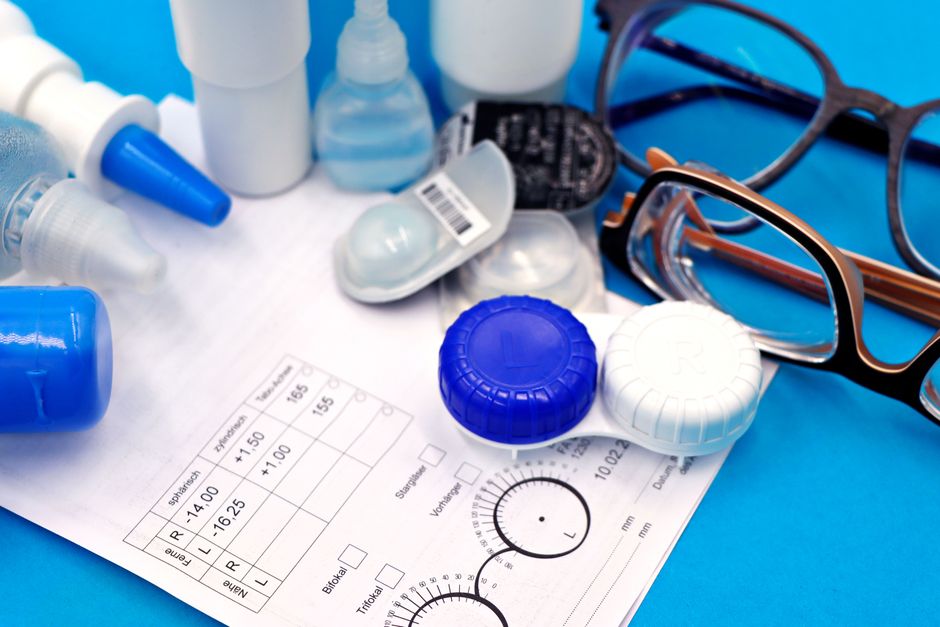
Please bring your current glasses and/or contact lenses, a copy of your most recent prescriptions, your insurance card (if applicable), and a list of any medications you use. If you have specific symptoms or a family history of eye disease, let us know so we can tailor your assessment accordingly.
Is retinal imaging part of all eye exams?
Retinal imaging is recommended for many patients, especially those with risk factors such as diabetes, high myopia, or a family history of ocular disease. While not mandatory for every screening, we advocate its use for thorough, early detection and monitoring. The need for retinal imaging will be discussed during your consultation.